
Root Canal Therapy in Elk Grove: Signs a Tooth May Be Saveable
July 16, 2026 9:00 amA deep toothache can make extraction feel inevitable. The tooth may throb, hurt when you bite, or keep you awake long after the rest of the house is quiet. Then root canal therapy comes up, and the question becomes whether the tooth still has enough healthy structure to keep.
In many cases, it does. Root canal therapy removes inflamed or infected tissue from inside the tooth, while a filling or crown rebuilds the outside. The nerve may no longer be healthy, but the root and much of the natural tooth can still remain in place.
Dr. Ricky Tin will look at the root, the surrounding bone, the gums, any cracks, and how much solid tooth remains above the gumline. At Villa Vista Dental in Elk Grove, CA, those details help determine whether treatment is likely to give the tooth a stable future.
What Root Canal Therapy Is Designed to Save
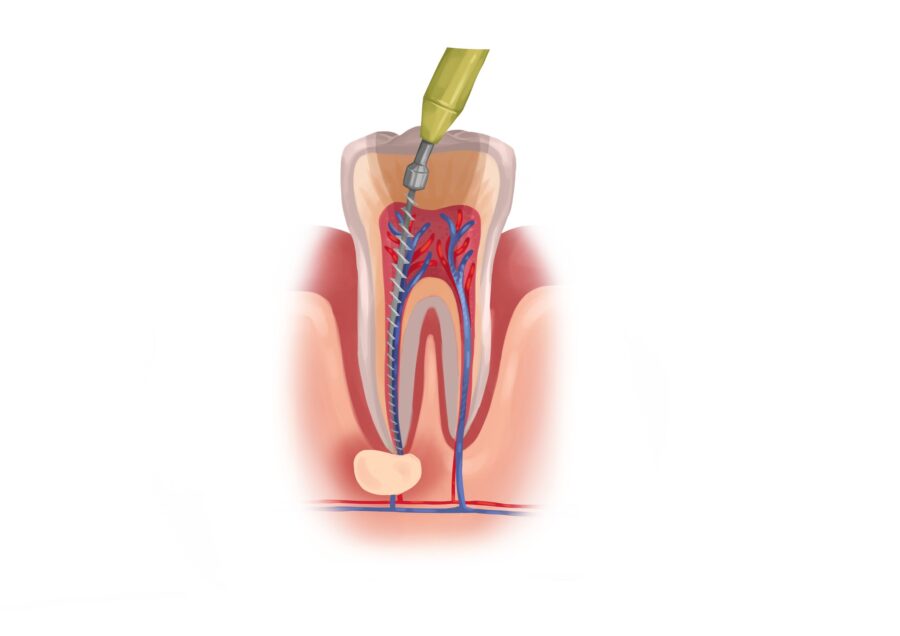
Inside each tooth is a small space containing pulp, which includes nerves, blood vessels, and connective tissue. Deep decay, a crack, an injury, or repeated dental work can inflame or infect that tissue. Once the pulp is badly damaged, it usually cannot recover on its own.
During root canal therapy, the damaged tissue is removed from the inner chamber and canals inside the roots. Those spaces are cleaned, filled, and sealed. The natural root stays in the jaw, which allows the tooth to continue supporting the bite.
The outside of the tooth still needs to be restored afterward. A front tooth may need a filling, while a back tooth often needs a crown because it handles stronger chewing forces. The root canal treats the infection, and the restoration protects the tooth that remains.
Severe Pain Does Not Mean the Tooth Is Hopeless
An inflamed or infected tooth can hurt badly without being beyond repair. Cold may trigger an ache that lingers, heat may cause throbbing, or the pain may begin without any clear trigger. The tooth may also feel sore or bruised when you bite.
These symptoms usually say more about the condition of the pulp than the strength of the root. Root canal therapy is often recommended because the inside of the tooth is no longer healthy, not because the entire tooth has failed.
The more important question is whether the remaining structure can support a restoration. A painful tooth with a sound root and enough solid tooth above the gumline may still have a good chance of being saved.
Enough Healthy Tooth Must Remain
After decay, old filling material, and broken pieces are removed, Dr. Tin needs enough solid tooth left to rebuild. A tooth with several strong walls may hold a crown well, even when the cavity is deep. A tooth broken almost entirely below the gumline is more difficult.
The crown also needs a firm band of tooth structure near its base. That band helps the crown grip the tooth and resist the pressure created during chewing. Without it, the restoration may loosen or the remaining tooth may fracture.
Sometimes a tooth that looks badly damaged still has a sturdy foundation beneath an old filling. Other times, a small visible break hides decay or a crack that extends much farther. The true condition often becomes clearer only after the damaged material is removed.
A Tooth Broken Near the Gumline May Still Be Treatable
A tooth broken at or near the gumline does not always need to be extracted. If the root is sound and enough healthy tooth can be exposed, Dr. Tin may still be able to rebuild it. The challenge is giving the future crown enough solid structure to hold onto above the gum.
Crown lengthening may be used in selected cases. During that procedure, gum tissue and sometimes a small amount of supporting bone are reshaped to expose more of the tooth. The crown can then sit on a stronger, cleaner margin rather than ending on decay or fragile tooth structure.
Orthodontic extrusion offers another option for certain teeth. Gentle orthodontic pressure slowly brings more of the root above the gumline, creating additional structure for restoration. These procedures add time and cost, so they are generally considered when the root is healthy and the finished tooth has a reasonable chance of lasting.
A post may also be placed inside a root canal-treated tooth when very little crown structure remains. The post helps retain the buildup that supports the crown. It does not reinforce a weak or cracked root, so the condition of the root still determines whether the treatment makes sense.
The Root and Bone Need to Offer Support
The root remains the foundation after root canal therapy. It needs enough length, thickness, and surrounding bone to handle normal chewing once the tooth is restored. A short, severely weakened, or poorly supported root may not provide that foundation.
A dark area near the root tip on an X-ray can look alarming, but it often represents bone reacting to infection inside the tooth. Once the canals are cleaned and sealed, the body may gradually repair the area. Follow-up X-rays can show whether the dark area is shrinking and bone is returning.
The outlook becomes less favorable when bone loss comes from advanced gum disease or a fracture running through the root. Those problems affect the tooth’s support outside the canal system. Cleaning the inside of the tooth cannot repair a split root or replace bone lost around most of the tooth.
Some Cracked Teeth Can Still Be Saved
Cracked teeth often cause sharp pain during certain bites. One bite may feel normal, while the next hurts as pressure is released. Cold sensitivity may also appear if the crack reaches the deeper layers of the tooth.
When the crack remains in the crown or upper portion of the tooth, a crown may hold the structure together and reduce further flexing. If the pulp has become inflamed or infected, root canal therapy may be completed before the crown is placed. Early treatment can sometimes keep the crack from spreading under repeated chewing pressure.
A vertical root fracture is different. This crack runs lengthwise along the root and creates a pathway for bacteria between the tooth and the surrounding tissue. It may cause a narrow, deep gum pocket, recurring swelling, or a pattern of bone loss along one side of the root.
A complete vertical root fracture often makes the tooth impossible to seal or stabilize predictably. Even if root canal therapy removes tissue from inside the canals, bacteria can continue traveling through the fracture. In many cases, extraction becomes the more reliable treatment.
A split tooth has separated into distinct sections and is also unlikely to support a lasting crown. However, not every line or crack visible in a tooth reaches the root. The location, depth, and direction of the crack determine whether the tooth can still be protected.
An Abscessed Tooth May Still Be Saveable
An abscess forms when infection spreads beyond the inside of the tooth and reaches the surrounding tissue. The gum may swell, a small bump may appear near the root, or the tooth may drain and leave a bad taste. Facial swelling or fever can develop when the infection becomes more active.
Even then, the tooth may still be treatable if the root is intact and enough structure remains for a crown or filling. Root canal therapy removes the source of infection inside the tooth, while the body begins healing the tissue around it.
Antibiotics may be used when swelling is spreading or the infection is affecting the body more broadly. However, medication does not remove bacteria and damaged tissue from inside the root canals. The tooth still needs root canal therapy or extraction.
A Tooth Can Need Treatment Without Hurting
Not every infected tooth causes a dramatic toothache. The pulp may die slowly after trauma or deep decay, and the pain may fade even while bacteria continue moving through the root system.
A darkened tooth, a recurring bump on the gum, or an unexpected finding on an X-ray may be the first clue. Some patients are surprised to learn that the quiet tooth is the one with the infection.
The disappearance of pain does not always mean the tooth recovered. Pulp testing and X-rays help Dr. Tin determine whether the nerve is still healthy and whether the surrounding bone has been affected.
Older Dental Work Does Not Automatically Rule Out Treatment
A tooth with a large filling or crown may still be treated with root canal therapy. Bacteria can reach the pulp through new decay, a crack, or a small opening around an older restoration.
The filling or crown may need to be removed so the structure underneath can be examined. That can reveal hidden decay and show whether enough healthy tooth remains for another restoration.
A previously root canal-treated tooth may also have another option if infection returns. Retreatment can sometimes address a missed canal, new decay, or leakage beneath a restoration. It is more likely to succeed when the root remains intact and enough tooth structure is available for a secure final crown.
When a Tooth May Be Too Damaged to Save
A tooth may not be saveable when too little structure remains for a crown, decay extends too far beneath the gum and bone, or a crack runs through the root. Severe gum disease may also leave the tooth without enough support to function, even after the infection inside it is treated.
Extraction may be recommended when saving the tooth would require several procedures but still leave a weak foundation. In that situation, root canal therapy could remove the infected pulp without producing a tooth that can withstand normal chewing.
Dr. Tin will compare the likely lifespan of the tooth with the treatment needed to keep it. Preserving a natural tooth is worthwhile when the root, bone, gums, and remaining structure support a dependable restoration.
What Dr. Tin Will Check
The examination usually begins with the symptoms. Dr. Tin may ask whether the tooth reacts to hot or cold, whether the pain lingers, and whether chewing makes it worse. Swelling, drainage, a recent injury, and previous dental work also help narrow the cause.
The tooth may be tested with cold, gentle tapping, and biting pressure. Gum measurements can reveal a deep, narrow pocket beside a possible root fracture. X-rays show the roots, surrounding bone, depth of decay, and older restorations.
A three-dimensional scan may be recommended when standard X-rays do not explain the symptoms or a crack is difficult to locate. The treatment recommendation comes from combining the test results with the condition of the tooth above and below the gumline.
After Root Canal Therapy
The tooth may feel tender for a few days, especially if it was painful before treatment. That soreness should gradually improve rather than become stronger. New swelling, increasing pain, or a bite that feels too high should be reported.
The final filling or crown should be completed on the recommended schedule. A temporary filling is not intended to handle long-term chewing, and an unprotected back tooth can fracture before the permanent restoration is placed.
Once restored, the tooth can continue functioning without the infected pulp inside it. Regular exams help monitor the crown, the gumline, and the bone around the root.
Root Canal Therapy at Villa Vista Dental in Elk Grove
A painful or infected tooth may still be saveable when the root is intact, the gums and bone provide enough support, and there is enough solid tooth structure to restore. Even some cracked, broken, or abscessed teeth can be treated when the damage has not extended too deeply.
At Villa Vista Dental in Elk Grove, CA, Dr. Ricky Tin can evaluate tooth pain, swelling, deep decay, cracks, and concerns with older root canal treatment. He can explain whether the tooth has a stable foundation or whether extraction is likely to provide the better result.
Schedule an appointment with Villa Vista Dental when a tooth throbs, hurts during chewing, reacts for a long time after hot or cold foods, or develops swelling near the gum. A tooth that feels badly damaged may still have enough healthy structure to keep.
Contact UsImage from Authority Dental under CC 2.0
Categorised in: Root Canal Therapy