
Oral Cancer Screenings in Elk Grove: What We Look For During Your Exam
April 22, 2026 9:00 amThere’s a part of your dental visit that happens quietly, without much attention drawn to it, but it’s one of the most careful parts of the entire exam.
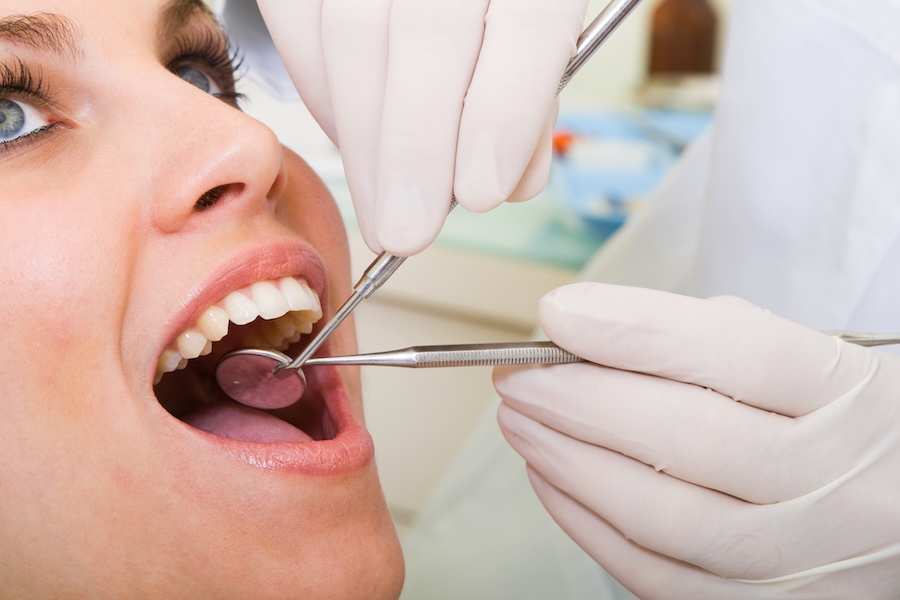
While you’re sitting back in the chair, Dr. Ricky Tin isn’t just focused on your teeth. He’s also taking time to look at the soft tissues in your mouth—the areas that don’t always get much attention day to day. It’s quick, and it doesn’t feel invasive, which is why it’s easy to miss how intentional that moment actually is.
Even so, that portion of the exam is focused on something important: noticing small changes early, before they have a chance to develop into something more serious.
What an Oral Cancer Screening Involves
Oral cancer screenings are built into your routine dental exam, but they don’t feel like a separate procedure.
During this part of your visit, Dr. Tin carefully examines areas like the tongue, cheeks, gums, roof of the mouth, and the floor beneath the tongue. He’s looking for anything that stands out—changes in color, texture, or shape that don’t match what healthy tissue typically looks like.
In addition to a visual check, there’s often a gentle feel along the jaw and neck to check for any unusual firmness or swelling. These steps are subtle, but they’re done with purpose. The goal is to get a full picture of what’s happening both on the surface and just beneath it.
Why These Screenings Matter, Even Without Symptoms
One of the challenges with oral cancer is that it doesn’t always come with obvious warning signs in the beginning.
You might not feel pain, and there may not be anything that stands out right away. A small patch or sore can blend in with everyday irritation, especially if it’s not causing discomfort. Because of that, it’s easy for early changes to go unnoticed at home.
This is where regular screenings make a difference. Having a trained eye looking at these areas consistently increases the chances of catching something early, when it’s easier to evaluate and manage.
What We’re Paying Attention To During the Exam
During the screening, the focus isn’t on jumping to conclusions—it’s on recognizing anything that doesn’t quite fit the usual pattern.
That can include red or white patches, areas that look thicker than the surrounding tissue, or sores that don’t seem to heal as expected. Sometimes it’s a small change in texture or a spot that looks slightly different from one visit to the next.
Most of the time, these findings turn out to be minor or related to irritation. Still, noticing them early allows for the right next step, whether that’s simply keeping an eye on it or taking a closer look.
What to Watch for Between Visits
Even though screenings happen during your dental appointments, it helps to know what to keep an eye on at home.
The key isn’t to worry about every small change, but to notice what lingers. If something sticks around longer than expected or keeps coming back, it’s worth paying attention. Some signs that should be checked include:
- A sore or ulcer that hasn’t healed after about two weeks
- Red or white patches inside the mouth that don’t fade
- A lump, thickened area, or rough spot you can feel with your tongue
- Ongoing tenderness or a burning sensation in one specific area
- Difficulty swallowing or a feeling that something is caught
- Numbness in the lips, tongue, or other parts of the mouth
- Changes in how your teeth come together without a clear reason
Seeing one of these doesn’t mean something serious is happening. However, when something doesn’t go away or seems to change over time, it’s a good reason to have it looked at.
What Happens If Something Stands Out
If an area draws attention during your exam, the next step is usually to take an intraoral image, give it a little time, and then recheck it.
The mouth heals quickly, and many spots resolve on their own once irritation is removed. You may be asked to come back in a couple of weeks so Dr. Tin can see whether the area has improved.
If it hasn’t changed or still looks unusual, further evaluation may be recommended. That could include taking a closer look, documenting the area, or referring for a biopsy. While that can sound intimidating, it’s often a precaution—meant to rule things out rather than confirm something serious.
How This Fits Into Your Routine Care
Oral cancer screenings are a natural part of your regular dental visits, even if they don’t stand out as a separate step.
Because they’re done consistently, your dentist becomes familiar with what’s normal for you. That makes it easier to notice subtle changes over time, which is exactly what these screenings are designed to do.
Regular visits aren’t just about cleaning your teeth—they’re also about keeping track of your overall oral health in a way that’s hard to do on your own.
Oral Cancer Screenings in Elk Grove, CA at Villa Vista Dental
At Villa Vista Dental in Elk Grove, CA, Dr. Ricky Tin includes oral cancer screenings as part of every comprehensive visit, taking the time to carefully evaluate areas that might otherwise go unnoticed.
If something in your mouth hasn’t healed or just doesn’t feel quite right, it’s worth getting a second look. You can call Villa Vista Dental or schedule a visit online to have Dr. Tin take a closer look and help you figure out what’s going on.
Contact UsCategorised in: Oral Cancer Screenings