How Do Dentists Save Teeth That Are Severely Damaged?
October 7, 2026 9:00 amA tooth can lose a surprisingly large piece during an ordinary meal. You find the broken corner, feel the sharp edge with your tongue, and start chewing on the other side. Sometimes an old filling comes out with it; other times, the tooth has been bothering you for weeks before anything breaks. With that much missing, you may wonder whether we can save it or whether it will have to come out.
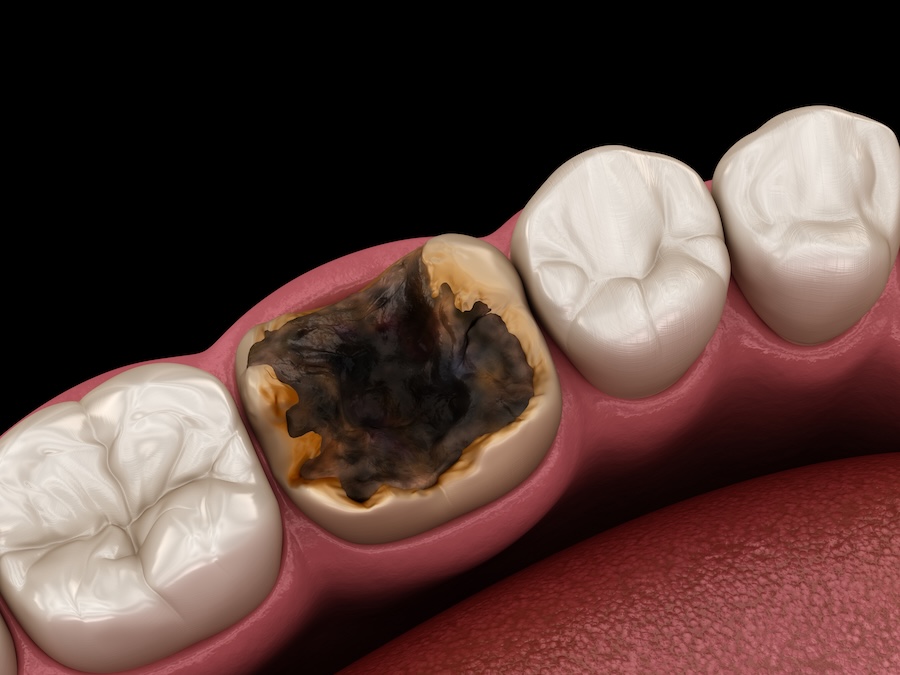
We can sometimes save severely damaged teeth by rebuilding the missing structure and treating problems inside the tooth. However, the repair needs healthy tooth and support beneath it to hold up when you chew. At Villa Vista Dental in Elk Grove, California, Dr. Ricky Tin checks those areas and walks you through the options. Depending on the damage, you may need a filling, a crown, root canal treatment, or a combination of treatments.
Checking the Remaining Tooth and Its Support
The corner you found does not necessarily show how much of the tooth is damaged. Decay can spread underneath an old filling, while a crack may extend beyond the line you can see. We examine the tooth and use X-rays when needed to check its roots and surrounding bone. If it has been hurting, we may also test its response to cold or gentle biting pressure.
Once we remove decay or failing dental work, we can see how much healthy structure remains. For example, a tooth that looked mostly intact may have thin walls hidden around a large filling. Meanwhile, a break that looked alarming in the mirror may still leave enough sound tooth for a crown. The repair needs a firm hold on that remaining structure so it can handle more than your first few meals afterward.
We also check the gums, bone, and biting pressure around the tooth. If gum disease has reduced its support, rebuilding the broken corner will leave that problem unresolved. Likewise, clenching can keep putting pressure on the same weakened area. You may need care for the gums or a protective appliance alongside the repair.
When a Filling Is Enough
A filling can replace a limited area of damage when the surrounding tooth walls remain strong. After removing decay, we place the material and shape it to fit the tooth. Then we check how it meets the tooth above or below it and how it contacts its neighbors. You should be able to chew without hitting a high spot or packing food beside the new filling.
However, an older tooth may have so much filling and so little natural tooth left around it that another filling will leave the walls vulnerable. As you chew, those weaker areas can flex, chip, or crack under the pressure. As a result, you might lose another corner even though the filling itself stays in place. In that situation, a crown can cover and support the remaining tooth more effectively.
How a Crown Protects a Weakened Tooth
A crown fits over the tooth and replaces its outer shape and chewing surface. Before making it, we remove damaged areas and rebuild the foundation where needed. The crown covers weakened sections that a filling would leave exposed to biting pressure. However, it still needs enough healthy tooth near the gumline to hold securely.
When the tooth can support a crown and is ready for the final repair, we use CEREC technology to scan, design, and make it here in our office. That can mean completing the repair during one appointment instead of wearing a temporary crown while a laboratory makes the final one. If the tooth needs root canal treatment or other preparation first, the schedule may involve additional visits. We will explain that timing before treatment begins so you know what you will be able to chew between appointments.
Once the crown is in place, keep cleaning along its edge and between the neighboring teeth. The natural tooth beneath it can still develop decay where plaque collects. If you already wear a nightguard, bring it so we can check how it fits around the new crown. If grinding helped cause the break, we can discuss protecting the repair from that repeated pressure.
When Root Canal Treatment Is Needed
Deep decay or a crack can reach the pulp, the soft tissue inside the tooth that contains nerves and blood vessels. When that tissue becomes inflamed or infected, the tooth may ache long after a cold drink or throb when you lie down at night. You may have been avoiding it at meals before the corner finally broke. Some teeth, however, need treatment for damaged pulp without causing much pain.
When that tissue cannot recover, root canal treatment removes it, cleans the spaces inside the roots, and seals them. Afterward, we restore the opening and protect the tooth that remains. Back teeth often need a crown because they take substantial pressure during chewing. Until the final repair is complete, you may need to avoid hard foods on that side even if the tooth feels better.
A crack also needs assessment before we recommend this treatment. Root canal treatment addresses the tissue inside the tooth, while the fracture remains in the tooth structure. A crown can help protect some cracked teeth, but a split tooth or certain root fractures cannot support a reliable repair. We will explain what we find before you begin treatment.
When Extraction May Be Needed
Sometimes decay extends too far beneath the gums, or a fracture leaves too little healthy tooth to rebuild. Severe bone loss can also leave a tooth without enough support for chewing. If we recommend removing it, we will show you the affected areas and explain why a repair is unlikely to hold up. You can ask about the outlook for the tooth and any alternatives.
From there, we can plan how to replace it. Your neighboring teeth, bite, and available bone affect which options fit the space. Some replacements, like a dental implant, involve several appointments or treatment with another clinician, so ask what happens between removal and the finished replacement. If the tooth’s condition allows, we can discuss those steps before the extraction.
Damaged Tooth Care in Elk Grove
If you have lost a filling or started chewing around a broken tooth, schedule a visit with us at Villa Vista Dental in Elk Grove, California. Bring the broken piece if you have it, and mention any discomfort that started before the break. Dr. Tin can explain what remains healthy and what each repair would involve. Until then, avoid hard chewing on the area and clean it gently.
Contact us sooner for increasing pain or swelling; swelling with difficulty breathing or swallowing requires emergency medical care. You can also ask about appointment timing, a temporary repair, and what to eat while treatment is underway. Let’s get that tooth checked so you can get back to dinner without planning every bite around it!
Contact UsCategorised in: Restorative Dentistry